
NC Ignition Interlock Laws – What Drivers Need to Know
If you’ve been charged or convicted of DWI in North Carolina, understanding the NC ignition interlock laws are essential. The state requires ignition interlock devices for many drivers with impaired driving convictions, and not following the rules can delay or prevent license reinstatement. This guide explains how the system works, who it applies to, and what it costs to comply with North Carolina ignition interlock laws.
Understanding NC Ignition Interlock Laws
Under NC ignition interlock laws, certain DWI offenders must install a court-approved ignition interlock device on their vehicle before regaining driving privileges. These devices are designed to prevent a vehicle from starting if the driver has alcohol on their breath, and they are often required as a condition of a limited or restored driver’s license.
Ignition interlock requirements typically apply to drivers who:
- Had a blood alcohol concentration (BAC) of 0.15% or higher at the time of arrest
- Have multiple DWI convictions within a 7-year period
- Refused a chemical breath or blood test
- Were under age 21 with any measurable alcohol in their system
According to the North Carolina Division of Motor Vehicles (NCDMV), drivers who fall into these categories are not eligible for unrestricted driving privileges until they comply with interlock requirements for a specific time period, usually 12 months or longer.
How the NC Ignition Interlock Device Works
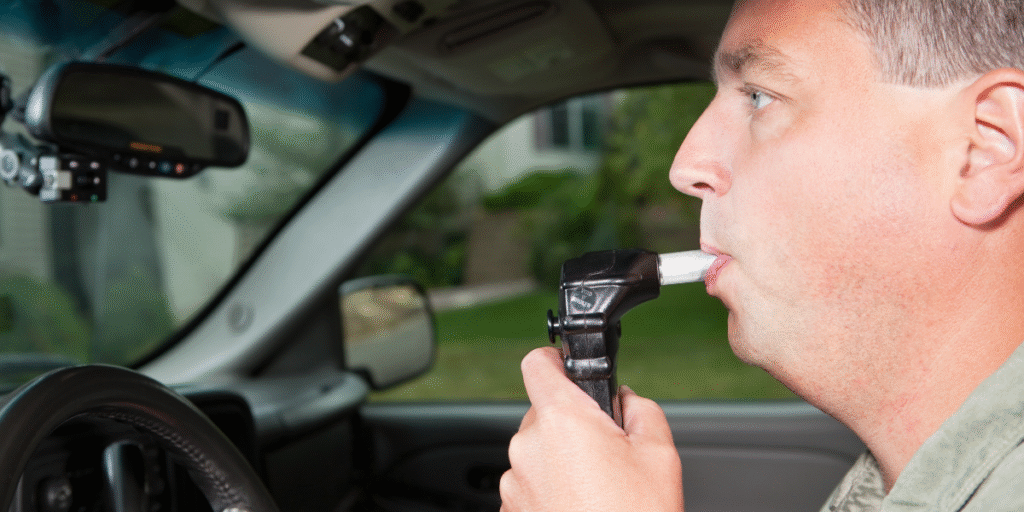
An NC ignition interlock device is a breath alcohol analyzer connected to your vehicle’s starter system. Before the engine starts, the driver must blow into the device. If the device detects alcohol above a preset limit, the car will not start. Random retests while driving may also be required to ensure continued sobriety.
All ignition interlock devices used in North Carolina must be installed and monitored by a state-certified provider. These providers are responsible for:
- Installing the ignition interlock device in your vehicle
- Calibrating and maintaining the device every 30–60 days
- Submitting compliance data to the DMV or court
Failing a breath test, tampering with the device, or missing a monitoring appointment may result in an extended interlock period or additional penalties.
NC Ignition Interlock Device Cost and Payment Details
One of the most common concerns for drivers is the NC ignition interlock device cost. While prices can vary slightly by provider and location, most drivers can expect the following general expenses:
- Installation Fee: $70 to $150 (one-time)
- Monthly Monitoring/Calibration: $60 to $100 per month
- Removal Fee: $50 to $100 (when interlock period ends)
In total, most drivers pay between $800 and $1,200 for a 12-month ignition interlock requirement. Financial assistance may be available in limited cases, but most individuals are responsible for covering all associated costs themselves.
It’s important to choose a certified vendor approved by the NCDMV. Working with an unlicensed provider could result in noncompliance and prevent your license from being reinstated.
What to Do After a DWI Conviction in NC
If you’re facing a DWI conviction or already sentenced, take the following steps to ensure you meet all ignition interlock requirements:
- Request a limited driving privilege if eligible
- Contact a certified ignition interlock provider to schedule installation
- Attend required DWI assessments or treatment sessions
- Follow the device’s testing instructions carefully and keep appointments
- Maintain a clean record during the interlock period to avoid extensions
Keep in mind that any violations reported by the device, such as failed breath tests or missed calibrations, may be submitted to the DMV and result in further delays or legal action. Staying compliant is the fastest way to restore full driving privileges.
Helpful Tips for Drivers Using Ignition Interlock Devices
Living with an interlock device in your vehicle can be an adjustment. Here are a few tips to make the process smoother:
- Allow extra time: Each trip may take a few minutes longer due to the required breath test.
- Avoid alcohol-containing products: Mouthwash, certain medications, and even baked goods with alcohol can cause false positives.
- Don’t eat or drink right before testing: Wait at least 15 minutes after eating or drinking before using the device.
- Keep appointments: Missing a monitoring appointment can result in a lockout or penalty.
Understanding how your device works and following the rules carefully can help you complete your interlock period without setbacks.
Final Thoughts on NC Ignition Interlock Requirements
The NC ignition interlock system is designed to improve public safety and reduce repeat offenses by ensuring that impaired drivers stay off the road. While the process may seem frustrating at first, compliance is key to regaining your driving privileges and moving forward after a DWI.
Whether you’re in the early stages of a DWI case or preparing for license reinstatement, understanding NC ignition interlock laws and the cost of using a device will help you plan accordingly. If you have legal questions, it’s best to speak with a local DWI defense attorney familiar with North Carolina’s licensing and interlock policies.
NC Ignition Interlock Resources: all links will open in new window or tab
https://www.ncdot.gov/dmv/license-id/license-suspension/Pages/ignition-interlock-devices.aspx